
Trends to Watch in 2025
A few years ago, ordering a non-alcoholic cocktail felt like a minor act of protest. Like declining dessert at a steakhouse. Today, it’s less about abstinence and more about appetite. What started as a side project in the back corner of the menu now stands on its own—drinks built for flavor, not apology. And if 2025 has made one thing clear, it’s this: the NA cocktail world isn’t reverse-engineering anymore. It’s building forward.
The Functional Drink: From Folklore to Formulation
People drank for effect long before anyone called it a “functional beverage.” Bitters were medicine before they were cocktail modifiers. Campari was sold for digestion long before it became a lifestyle brand. The current wave of ashwagandha and L-theanine is just the latest chapter in a pattern as old as the shaker itself. What’s new is the form. A Mindful Mule with ginger, ashwagandha, and lime doesn’t dress up as something it’s not. It delivers heat, lift, and—according to its fans—a noticeably calmer nervous system. Rhodiola and hibiscus land in spritzes that taste like they belong on a patio. Lion’s mane and green tea now show up next to honey and citrus in focus-driven highballs. The numbers aren’t ornamental either. Functional NA drinks now make up 10 percent of the U.S. non-alcoholic beverage market—with 15 percent growth last year alone. The category’s up more than 50 percent since 2020. Adaptogens, nootropics, CBD—even probiotics—have moved off the supplement shelf and onto the bar rail. Nobody’s apologizing for it. Nor should they.
A Broader Pantry: Where Flavor Travels
The first wave of NA cocktails chased sweetness. The current one chases complexity. Global flavors—sour, bitter, tannic—are driving the shift. These aren’t background notes. They’re structural. Yuzu’s now a favorite for clean, sharp acidity. Tamarind brings both body and bite—landing between syrupy and sharp. Hibiscus—long used across Africa, the Caribbean, and Latin America—now turns up in chilled fizzes as much for color as for tartness. Whole Foods called these out in its 2024 trend report, but bartenders were there first. A well-built NA Passion Fruit Martini lands with the same snap and pull as its boozy counterpart. NA Piña Coladas double down on coconut and texture. Hibiscus and ginger are now a default pairing in highballs. This isn’t culinary tourism. It’s adaptation—driven by need and taste.
Health Without the Lecture
Behind all the function and global flavor, health remains the quiet engine driving the NA boom. Cold brew stands in for syrupy energy drinks. Sparkling teas now sit in wine shops and tasting menus—entire categories built around gut health, cognitive support, and better sleep. Turmeric and ginger show up in sharp, slurpable formats. Matcha keeps its slow hold on NA menus. Vitamin spritzers offer mineral lift without drifting into wellness cliché. If the early 2000s taught us anything about health drinks, it’s this: flavor wins over moral positioning. The new wellness-forward builds know it. They’re built to taste good first. Any benefits after that feel like a bonus.
The Social Media Effect: Form and Function
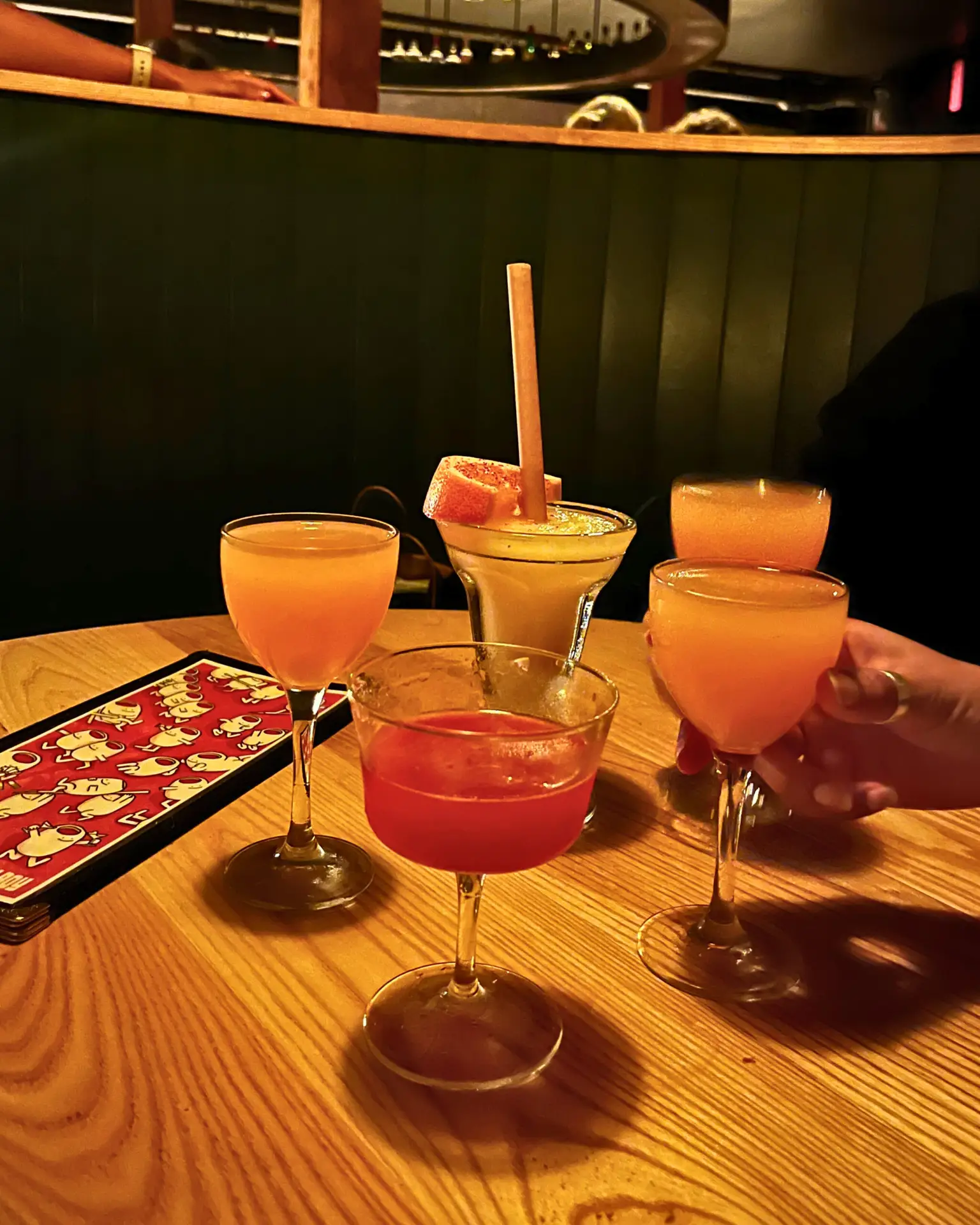
Few drink categories in the past five years have been shaped more by social media than NA cocktails. Dirty sodas—those syrup-heavy, dairy-splashed, caffeine-loaded drinks from Utah—didn’t debut in restaurants. They broke through online. Yelp searches for dirty soda jumped 600 percent at the peak of the trend. But beyond the fad cycle, the lasting visual trends stuck. Floral ice cubes. Layered pours that read like Pantone swatches. Minimalist glassware with just enough weight to catch the light. Bartenders have played this game with garnish and glassware for decades. The only difference now is who’s holding the camera.
What’s Actually Happening Next
After years of trial and error, the products are starting to deliver—real texture, real structure, and something the palate remembers. So where does that leave us? It feels less like a workaround and more like a category. Less imitation. More imagination. And drinks finally worth a second round.