What You’re Actually Working With
Every cook, bartender, and grandmother works with the same five tastes. As culinarily diverse as our world is, we only have five taste receptors. Flavor is what we experience when we include our other senses to enhance whatever we may be tasting. The words taste and flavor are used interchangeably, but they are not the same thing. Taste is physical and flavor is perception.
This article breaks down the five basic tastes and shows how flavor takes shape through scent, texture, and the cues we pick up before anything even reaches our tongue. If you want your food and drinks to land, consistently and intentionally, this is where to start.
So What’s the Difference?
Taste is immediate. It’s the body’s first response to what touches the tongue. The five basic tastes—salt, sweet, sour, bitter, and umami—are each picked up by a different set of receptors. Whenever we mention taste, we are talking about these five. The molecules that trigger these responses are called tastants. These are chemical compounds detected by taste buds that send signals to the brain. They shape how we begin to process what we’re eating or drinking. But taste alone is only the first layer.
Flavor is what leaves a lasting impact in your brain. It’s what creates memories, makes you crave experiences from the past, or builds a love–hate relationship with a food or drink. It includes all of the tastant sensations, plus aroma, texture, and presentation. The only time you’ll remember taste on its own is when it was overwhelming enough to take over the entire experience. When something was way too salty, or your cocktail was excessively sweet. Flavor is what you remember from the whole experience. It’s the reason you would say, “That hole-in-the-wall restaurant was incredible,” even if you can’t recall the details of what you ate.
Salt
The taste of salt comes from sodium chloride and minerals like potassium and magnesium. Salt crystals hit the receptors in the mouth almost immediately and fade just as quickly. The reaction between these ions and receptors is what tells the brain to perceive saltiness. Salt is synonymous with intensity, not just a layer you add, but the ground everything else stands on. It doesn’t enhance taste—it establishes it. When it’s off, it can disrupt everything else. It can leave a dish bland or completely overwhelm it.
Sweet
The receptors responsible for responding to ‘sweet’ react similarly to a Venus flytrap. When natural sugars like glucose enter the mouth, sweet taste receptors latch onto them and send signals to the brain. This process is why the sensation of sweetness can feel so potent and persistent.
‘Sweet’ is generally a desirable taste and is even linked to the release of dopamine. Because it’s so well liked, sugar is your friend when crafting a flavor profile. Sweetness is the first taste detected by our receptors and it plays well with others. Sweet and salty, sweet and spicy, bittersweet. These are all common combinations because sweetness helps balance them. Sugar can counteract, mute, enhance, even conceal other flavors.
Bitter
Bitterness is a back-end profile. The taste doesn’t register right away. It creeps in late and leaves a strong impression on the tongue. A bitter green like frisée or radicchio might taste like any other leafy green at first, but the bitterness builds aggressively. Once you start tasting the bitter, the aftertaste will linger.
Bitterness has a negative connotation because it’s the body’s natural warning that something might be unsafe to consume. Historically, that’s accurate. But in the modern age of gastronomy, we’ve learned how to use bitterness to our advantage. Most people don’t enjoy bitter by default, but a wide group of people do. It’s necessary for the development of every taste profile. It offsets sweetness and adds a sharp edge underneath. If something is too sweet or rich, add bitterness. For those who enjoy the bitter palate, add more. Boulevardiers, Negronis, and Sazeracs, for example, should be hit with more bitterness than the common palate might expect. It may not be for everyone, but no profile is complete without it.
Sour
Sour is the taste of acid. When hydrogen ions from acidic ingredients hit your tongue, they trigger a sharp, immediate reaction. It’s the most straightforward of the five basic tastes, and one of the easiest to recognize.
When balancing a dish, acid is second only to salt in its ability to shape taste. It’s what lifts taste and pulls it into focus. Sour doesn’t hide; it brightens, sharpens, and brings other elements forward. It also offsets sweetness, much like bitterness does. If something tastes flat, add acid. If your food or drink is so rich that it feels like you’re wrapping a weighted blanket around your tongue, sour is your knife to cut through it.
But too much will overwhelm the palate. Salt, sweet, and bitter are all emergency additions to dull out an acidic profile. Sour should bring things into focus—not burn through them.
Umami
Umami is the most debated of the five basic tastes. For a long time, it wasn’t even recognized in the West—it was dismissed as imaginary or redundant. But the sensation of umami is distinct: it’s rich, savory, and hard to describe. The word itself is Japanese, meaning “savory.” It refers to the taste of amino acids, especially glutamates, on the tongue.
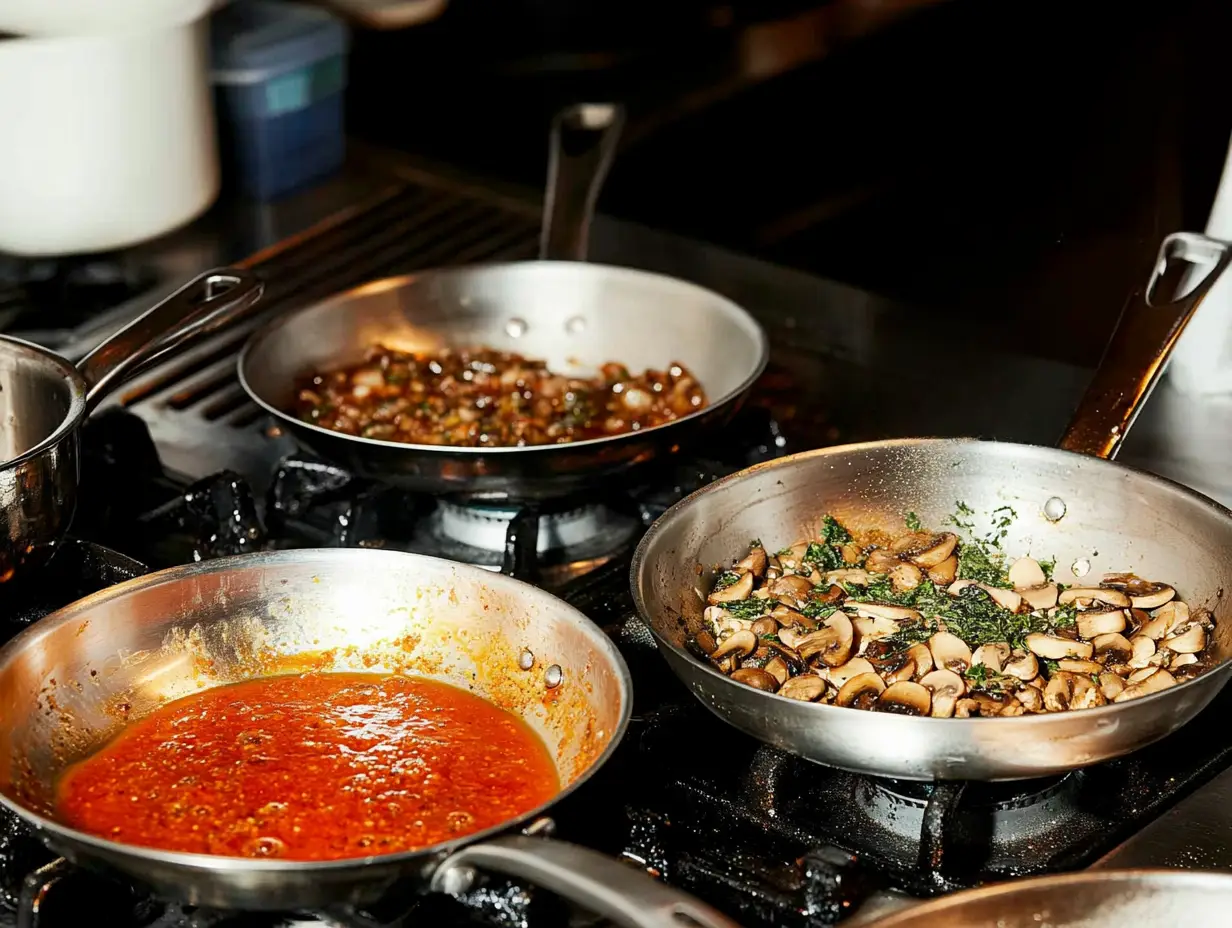
These protein-building compounds are essential to how we perceive taste structure. Umami adds depth and fullness. It’s that hard-to-describe savory taste that makes food feel rich and deeply satisfying. The compound you’ve likely heard of is MSG (monosodium glutamate), but they’re found in all sorts of savory foods like Parmesan cheese, mushrooms, and steak. Glutamates are the secret ingredient that adds a rich, savory complexity.
In cocktails, umami is less common but we’re starting to notice it through more recently used ingredients like tomato water, miso syrup, dried mushroom infusions, and even aged spirits. It’s certainly an underused tool with a lot of potential that we’re excited to see evolving. As more bartenders experiment with savory profiles, umami in cocktails could become more and more common.
How Is Flavor Different?
While taste refers to the five basic profiles, flavor is something more nuanced. It’s a multi-sensory experience shaped by all of our senses: taste, aroma, texture, and even appearance—each one influencing how we perceive food and drink.
Aroma
It’s astonishing how much the smell of something can alter your perception of taste. A lot of what we perceive as taste actually comes from aroma. It’s widely accepted that smell accounts for as much as 80 to 90 percent of what we think we’re tasting.
Why is that? When we chew or drink, we force air through our nasal cavity. This airflow carries aroma compounds to the smell receptors high in your nasal passage. Without your nose doing its job, your sense of taste is limited to the five basic sensations we covered.
Ever wonder why you can’t taste things as well when you’re sick with a stuffy nose? That’s the reason. If you eat a piece of chocolate when you’re congested, it’ll still taste sweet, but it doesn’t taste like chocolate. Without the cacao aromatics reaching your nose, your brain can’t register the full flavor.
So when you’re working to create a well-balanced cocktail or dish, aroma should be part of your plan. If there’s a flavor you want to push forward, it needs to show up in the nose. And even if you’re not chasing complexity, it should still smell good. If something smells off, it will taste off.
Whether it’s an aromatic garnish, a syrup that carries concentrated aromatics, or letting a base ingredient speak for itself, aroma dominates flavor perception. This is what makes it the most effective way to shape the overall flavor.
Texture
How we feel about texture is deeply personal. You might think certain textures naturally match certain flavors, but that entirely depends on who’s eating. Texture perception is different for everyone. Some people like crunchy foods more than soft foods. Some absolutely adore Jello– others can’t get past the texture.
Chefs and mixologists should always consider who they’re serving. For many people, the biggest barrier to enjoying certain foods isn’t taste, but texture. The three most common sensory offenders are mushy (like overcooked vegetables), slimy (like okra or oysters), and crunchy (when it’s unexpected, like in a soft food). Even the best taste profile can’t make up for a texture someone finds unpleasant. In sensory science, texture accounts for as much as 80% of consumer rejection.
While cocktails don’t allow for the same variety of textures as food, they still depend on mouthfeel to land well. A cream-based cocktail should feel smooth, not curdled or out of place. If the drink is meant to be dry, it should feel dry. Texture can be adjusted or manipulated for effect, but it’s usually straightforward. When the texture is wrong, the flavor won’t stand a chance.
Texture might not be discussed as often as taste, but it’s just as important. It shapes how something feels, how it lands, and whether it survives the first impression.
Presentation
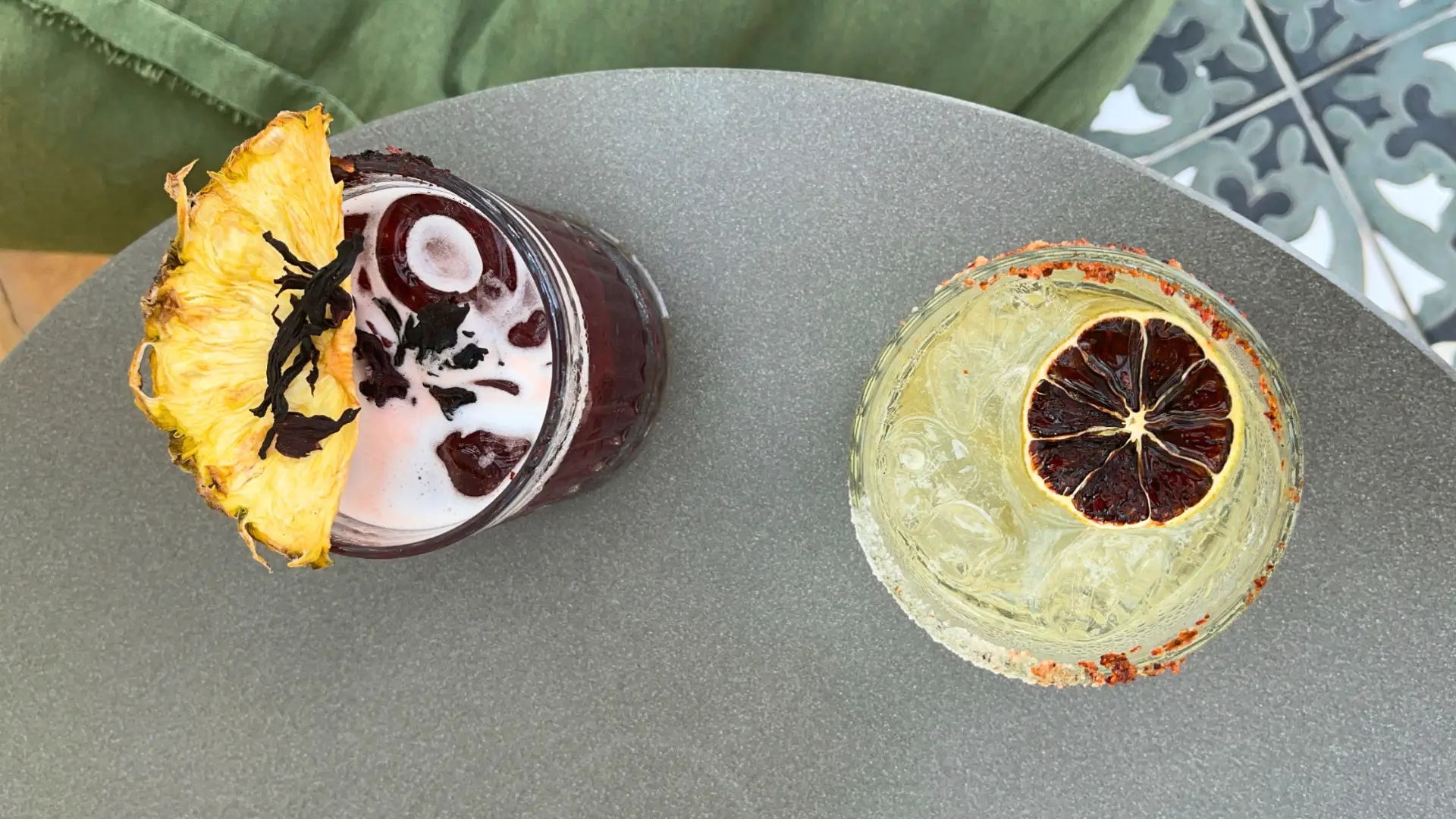
Ever heard the phrase “the eyes eat first”? Something should look good before it tastes good.
It doesn’t have the same biological effect as aroma or texture, but it primes the brain before anything hits the palate. Making something appear desirable is the first step in making it feel that way. Your eyes eat or drink before your mouth and brain do. That first visual impression sets up the entire flavor experience.
If something doesn’t look appealing, it sets a negative tone before it’s even tasted. The better it looks, the more likely it is to land well. Even if the flavor isn’t perfect, guests are drawn to what looks tempting.
Now, that’s not to say you need an over-the-top garnish or a smoke show to make something land. This isn’t about spectacle. It’s about setting the tone for flavor before the first taste.
The Broader Context of Flavor
Taste is the foundation while flavor is the whole. When you understand how the two work together—how taste connects to memory, how aroma sharpens perception, how texture and presentation shape what we expect—you can start to build with intention.
It’s not about chasing complexity. It’s about clarity. When you know the exact experience you want a dish to deliver, you can engineer it layer by layer. You can tweak one element to sharpen another. You can build balance, or lean into contrast. You can turn something good into something complete.
That’s the work of flavor. It’s not just something you react to—it’s something you can design.