Health, Ritual, and Flavor Shifts in 30 Days
For most of us, a drink signals more than thirst. It’s punctuation. The bookend to a long day or the opening line of a night out. Even at home, it marks the shift from doing to being. From work to pause. Take alcohol out of that ritual, and the question isn’t just what you’ll drink instead. It’s what happens to the ritual itself. What stays. What shifts. And what—despite all assumptions—actually improves.
Week One: When the Fog Lifts
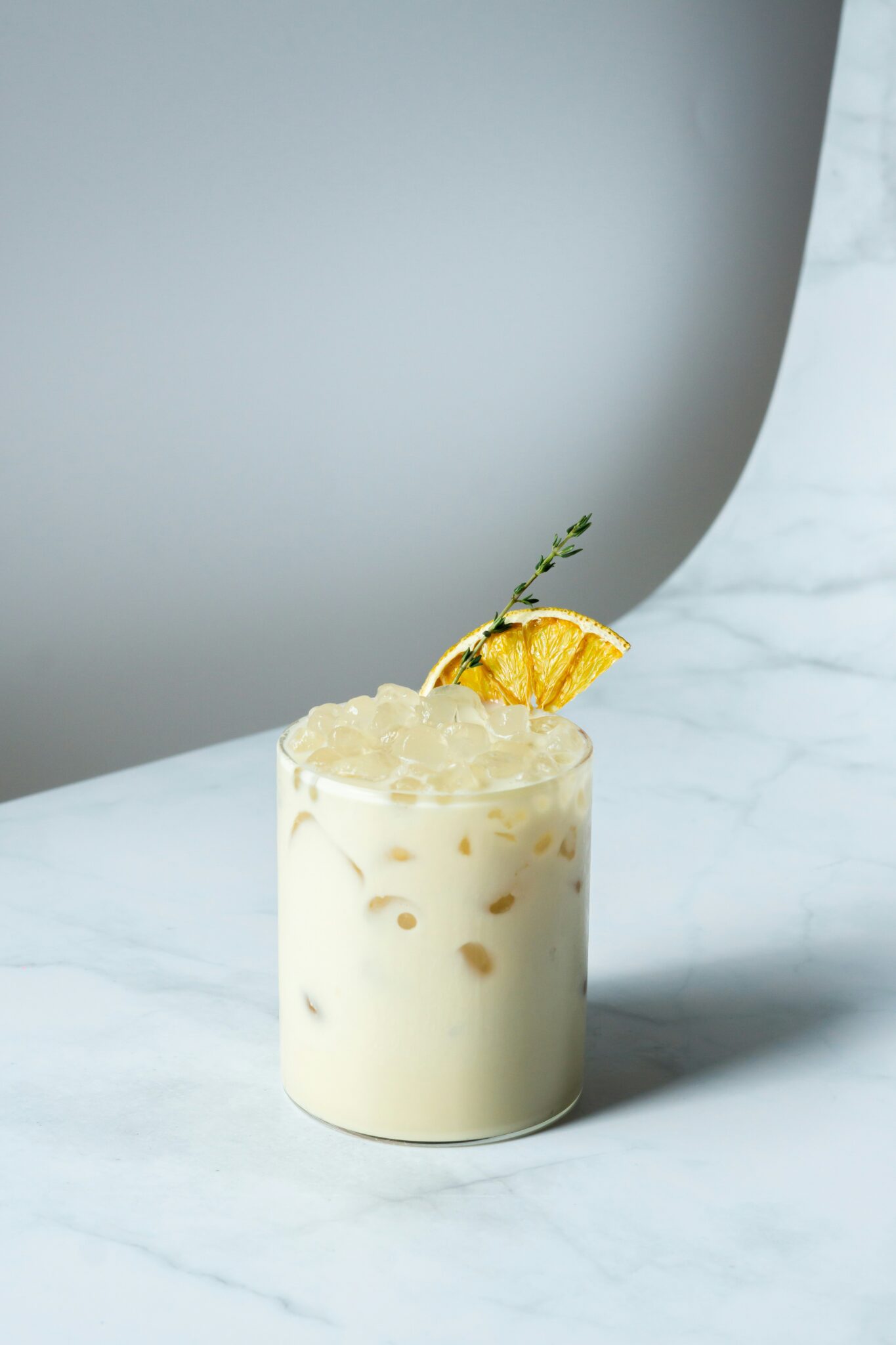
The first week off alcohol doesn’t feel like a transformation. It feels like subtraction. Less fog. Fewer slow mornings. Hydration that starts to feel human again. Part of this is biology. Alcohol pulls water from your system faster than most desert climates. A good non-alcoholic drink—especially one with coconut water, cucumber, or a pinch of sea salt—starts to reverse the drift. Electrolytes land where they should. Cells settle down. The result isn’t just better hydration. It’s a nervous system that stops swinging between extremes. Sleep comes easier too. Not the surface-level kind alcohol tricks you into. The real kind: deep, steady, uninterrupted. And if you need help winding down, there are plenty of gentler tools. Chamomile. Lavender. Lemon balm. Valerian, if you want to lean in. A stirred nightcap of brewed herbs, cooled and sipped slowly, does more for real rest than three fingers of whiskey ever could. By day, there’s focus. Actual, sustainable focus. L-theanine from matcha. Antioxidants from blueberry and basil. Even mint, when used right, helps clear the airways and widen the eyes. Small talk feels easier. So does deep work.
Week Two: Taste Comes Back
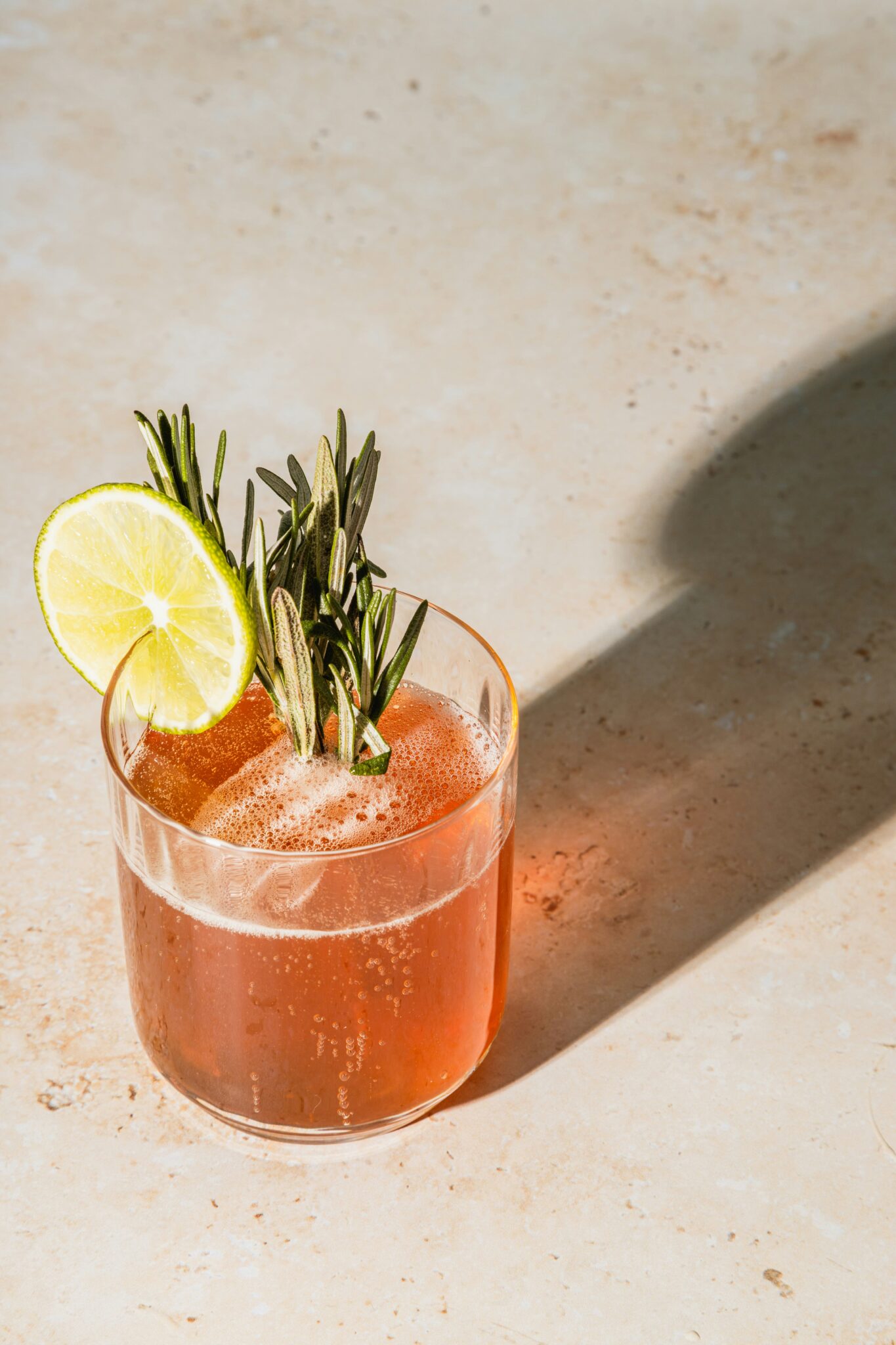
By week two, your palate recalibrates. Layered NA cocktails stop feeling like placeholders and start tasting like drinks you’d make on purpose. Ginger sharpens. Lemon cleans up. Turmeric brings a real pulse of warmth—not just vague earthiness dulled by leftover ethanol. The drinks you build now—citrus, spice, acid, bitter—carry tension and structure. They fill the glass like they’re supposed to. Digestion improves too. Pineapple and mint help with calm. Lemon sharpens. Ginger brings low, steady heat. Kombucha, shrubs, kefir—all offer microbial backup. Quiet recalibration, just below taste. Physically, the shift gets harder to ignore. The extra calories from nightly pours stop piling up. The scale might move. Or it might not. Either way, your body feels lighter. Less bloat. More steady energy. A hibiscus spritz starts sounding good—for reasons that have nothing to do with pretending it’s rosé.
Week Three: The Function Becomes the Flavor
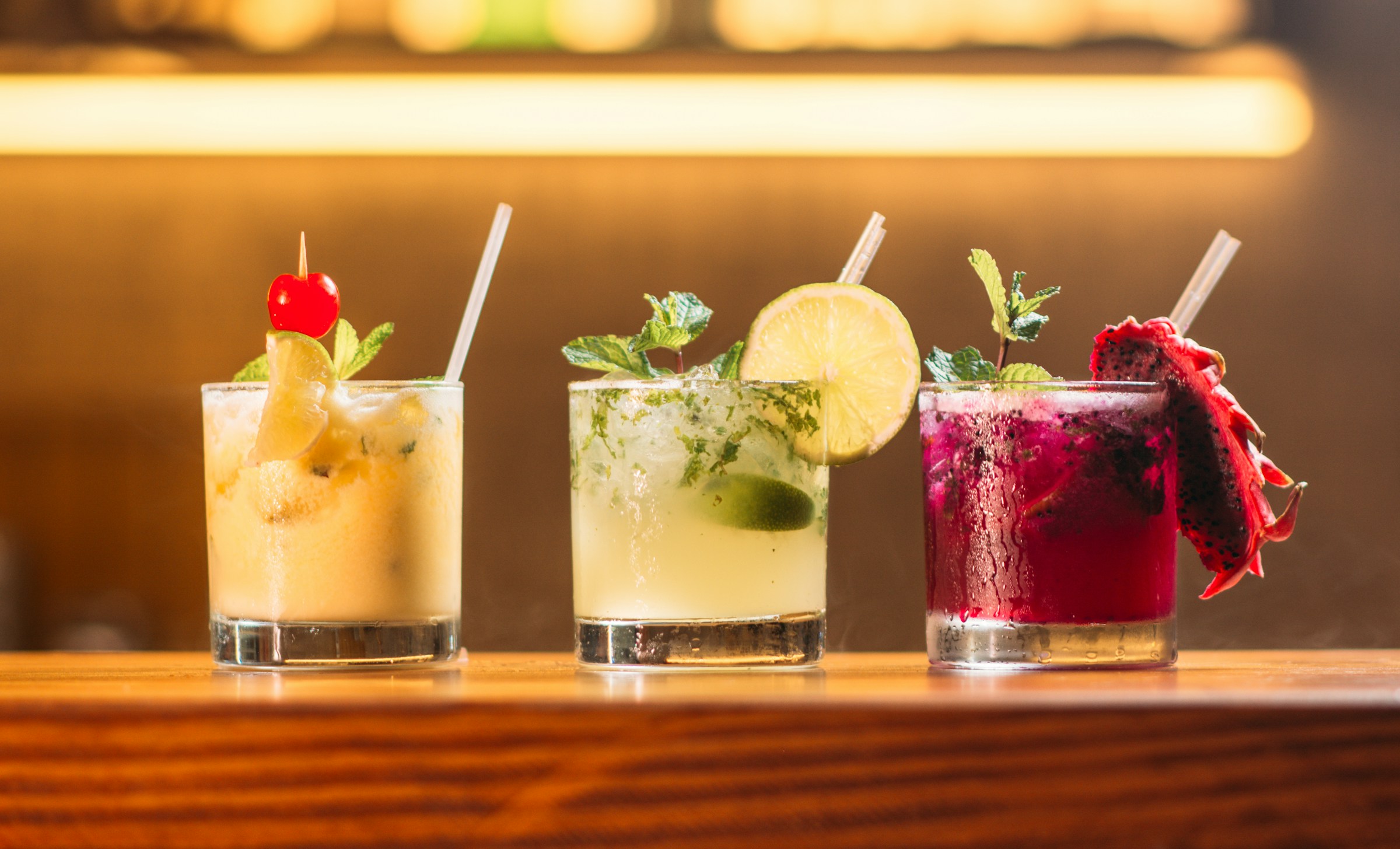
By week three, your choices feel less like swaps and more like instincts. Beet juice shows up for depth and iron. Pomegranate brings brightness and tannin. Citrus stays the great equalizer. Some ingredients pull double duty: cardiovascular support and drink structure. Others lean into immunity: ginger again, elderberry, honey, echinacea—if you want to go full folk remedy. Skin shows it too. Once hydration stabilizes, elasticity returns. Aloe, watermelon, cucumber—they’re not new, but they start tasting like solutions you can sip. You’re not optimizing. Just making drinks that feel good and taste better.
Week Four: Clarity as a Habit
By week four, the benefits stop feeling novel and start feeling baseline. Adaptogens like ashwagandha or holy basil start showing up in your nightcap. Not because a wellness roundup told you, but because they round out flavor and help steady your nervous system.
The Takeaway
The point isn’t abstinence for its own sake. The ritual you care about—the evening pause, the last sip before bed, the way you mark time—never left. It just got clearer. You still pour. You still stir. You still sit with it. What’s left is intention. The drink matches the moment without pulling you further from yourself. This wasn’t about proving a point or hitting a milestone. It was about seeing what changed when the glass stayed full but the ethanol stayed out. Turns out, plenty does.