Chefs Set the Pace
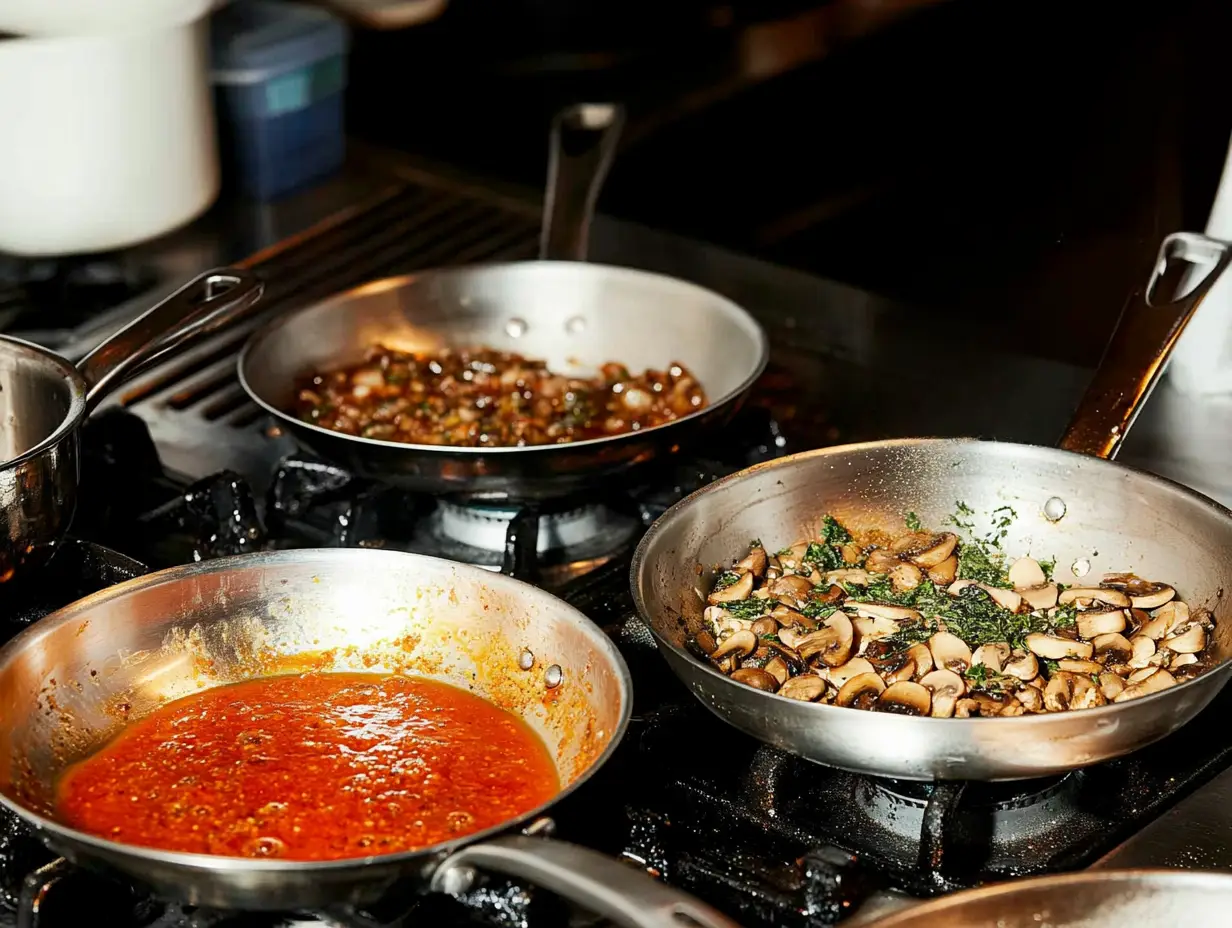
Chefs were practicing zero-waste long before bartenders. Bones became broth. Carrot tops became pesto. Scraps were potential ingredients.
Behind the bar, it was a different story. Citrus was inexpensive. Herbs were expendable. A garnish was expected to be cut fresh every night. While kitchens pushed sustainability into fine dining, bars leaned on fresh fruit and big garnishes without thinking much about its actual utility.
The kitchen playbook was already written. Fergus Henderson pushed ‘nose-to-tail’ cooking in the early 2000s. Blue Hill and Noma made ‘root-to-stem’ part of their identity and turned fermentation into a fine-dining standard. Drinks had their own precedents. Tepache in Mexico was built from pineapple rinds. Kvass in Eastern Europe relied on bread. Shrubs in colonial America preserved leftover fruit in vinegar. Bartenders are only now reframing these older traditions as sustainability.
Why Bars Fell Behind
The lag came down to cost and culture. Lemons and limes were inexpensive, so nobody felt pressure to conserve. Garnishes grew larger, more decorative, and more wasteful. Prep rooms filled with single-use syrups.
Cocktail culture also moved slower than kitchens. The classics were treated as fixed points. Change came cautiously. An Old Fashioned in one establishment was supposed to taste like an Old Fashioned in any other establishment. Few guests wanted to be handed an experiment when they asked for something familiar.
From Compost to Cocktail
The shift began when bartenders applied kitchen logic to the bar. Citrus, the biggest source of waste, became the first frontier. Husk cordials—boiled, sweetened, and balanced with acid—stood in for juice and lasted longer. Oleo saccharum, once common in 19th-century punches, came back as a way to pull oils from peels with sugar.
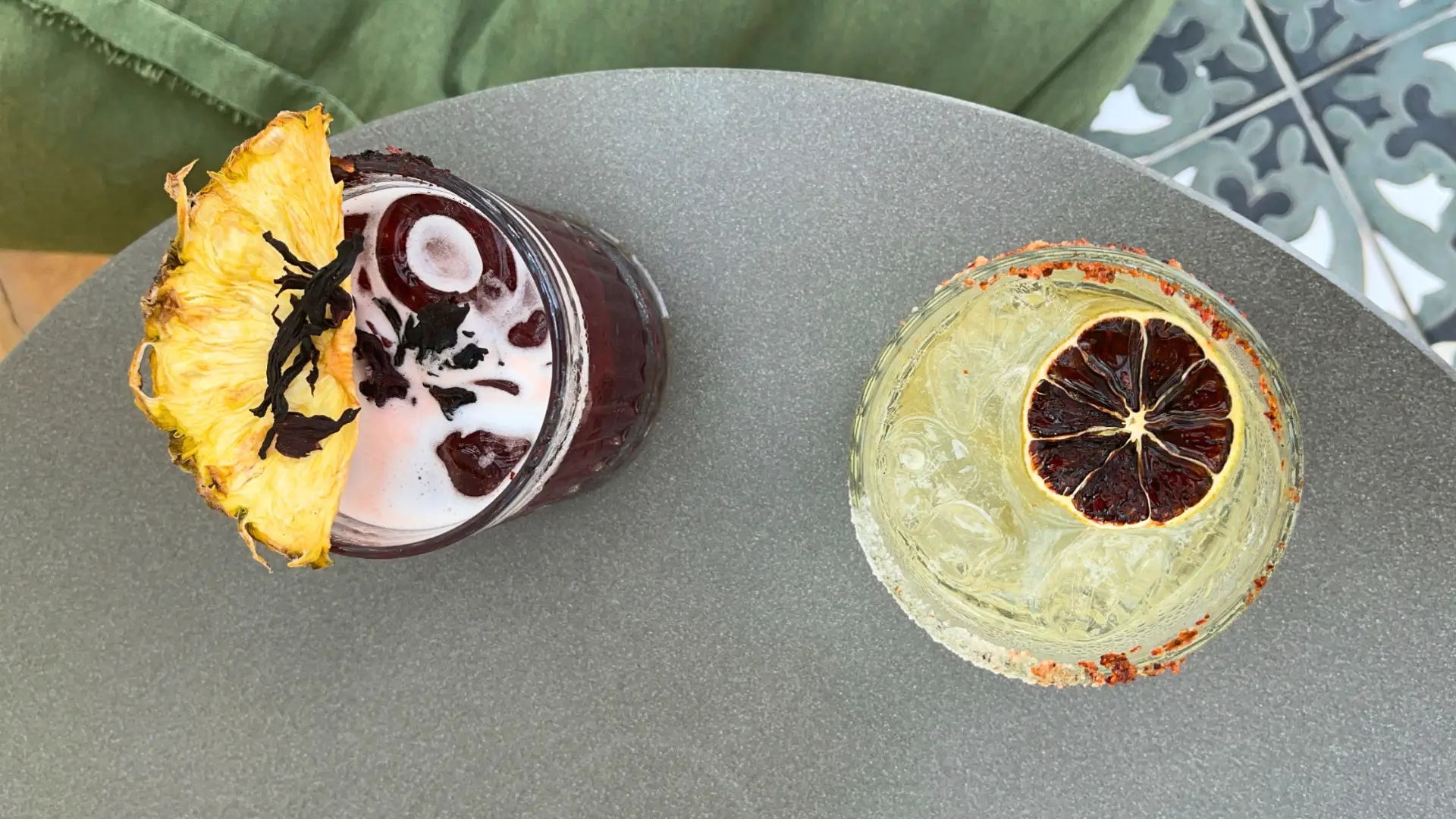
Other scraps followed. Pineapple skins steeped in rum. Apple cores infused into brandy. Watermelon rinds boiled into syrup. Dehydration opened more doors. Strawberry tops and herb stems dried into powders. Citrus wheels preserved for months instead of minutes. Even coffee grounds found a second life in syrups or cream.
The goal was no longer just thrift. Waste was becoming a source of flavor.
The Pioneers
Some bars built entire programs around waste reduction. White Lyan in London banned citrus and ice altogether, relying on cordials and house spirits. At Dandelyan and Super Lyan, the idea evolved into polished menus where closed-loop cocktails felt refined instead of experimental.
Trash Tiki launched as a global pop-up with a louder approach. The project turned kitchen waste into tiki drinks and packaged the message in punk style.
Others followed. Silo in London built both its kitchen and bar on a closed-loop system. Hotels began folding the idea into their branding, training bartenders to turn peels and stems into syrups and cordials. In New York and Los Angeles, menus now highlight zero-waste cocktails alongside barrel-aged ones.
Why Now
Waste has become harder to ignore. Citrus piles up in bins, and the volume is obvious. Cutting it down saves money and trims prep lists. More important, the techniques unlock new flavors. Lime husk cordial has more depth than lime juice. Ferments add fizz and tang. Dehydrated peels deliver aroma and structure.
Guests have started to expect this mindset. Sustainability appeals to eco-conscious drinkers, but it also makes for a story at the table. A cocktail made from scraps is memorable. For venues, the program doubles as a press hook and positions the bar in line with the larger sustainability push across hospitality.
The Limits
Not every attempt lands. Some bars stop at reusable straws and call it sustainability. Others put out drinks that taste more like experiments than finished cocktails.
There are practical limits too. Fermentation, dehydration, and batching take time. Not every team has the labor to manage it. High-volume venues face their own challenge. A small cocktail bar can test husk cordials. A nightclub serving hundreds of Margaritas can’t work at the same pace.
Looking Ahead
Zero-waste practices are starting to form their own bar vocabulary. Citrus cordial works like stock. Oleo saccharum functions like compound butter. Ferments and brines mirror the pickling jars in a kitchen. The bar is building a language that feels parallel, not borrowed.
Seasonal scraps are the next step. Pumpkin guts cooked into spiced syrups. Apple cores steeped into brandy. Squash skins roasted for vegetal depth. Collaborations between chefs and bartenders are also growing, with scraps traded back and forth across the pass.
Closing the Gap
Bartenders started late, but the distance is narrowing. What began as imitation is shaping into a distinct culture. Waste is no longer just a problem to solve. It is a source of flavor and identity.
The question is not whether zero-waste belongs behind the bar, but how soon it becomes the standard.