The structure of a great cocktail is arguably more important than the list of ingredients. A thoughtful build holds flavor, weight, texture, and tone in place. It gives the drink presence. The composition feels complete even when the ingredients are simple.
Drinks like the Old Fashioned, the Daiquiri, the Martini, and the Negroni remain at the center of cocktail culture because their forms are resilient. They welcome variation while staying intact. Their structure defines the rhythm of the drink: how it unfolds, how it lands, and how it stays with you.
This isn’t a recipe guide. It’s a close look at why these builds continue to hold. Each one teaches something different. Some are shaped by tension. Some by symmetry. Others by restraint. What they share is intent. They are built to carry weight, and to carry it well.
The Old Fashioned
The Old Fashioned is straightforward. There’s no acid to lift it, no modifiers to stretch it. It’s just spirit, sugar, bitters, dilution. Each part does exactly what it’s supposed to. The build is clear and direct, and that’s why it works.
An Old Fashioned doesn’t require whiskey. It doesn’t even require a cube of sugar. The structure holds the same with mezcal and agave, with aged rum and demerara, with split bases and spiced syrups. What matters is how each element supports the base. The sweet rounds, the bitter sharpens, and the dilution pulls everything into place.
The Old Fashioned teaches balance without leaning on complexity. It’s not fragile. It’s not fussy. That’s what makes it easy to bend and hard to break. The build holds because it’s clear. Each part earns its place.
The Daiquiri
The Daiquiri is not forgiving. It’s a tight balance between spirit, acid, and sugar, and each part has to pull its weight. The build is simple, usually two parts rum, one part lime, and one part sweet, but the margin for error is small. A bit too much of anything, and the whole thing shifts.
When it’s built well, a Daiquiri feels focused. The acid lands first. The sugar softens the edge. The rum holds it steady. It’s lean, structured, and complete. There’s nothing extra to distract from what it is.
What makes the Daiquiri particular is how little it takes to throw it off. That’s also what makes it unique. You can’t cover a mistake with garnish. You can’t balance it with bubbles. You have to build it correctly the first time. The trick is to maintain tension without losing balance.
The Martini
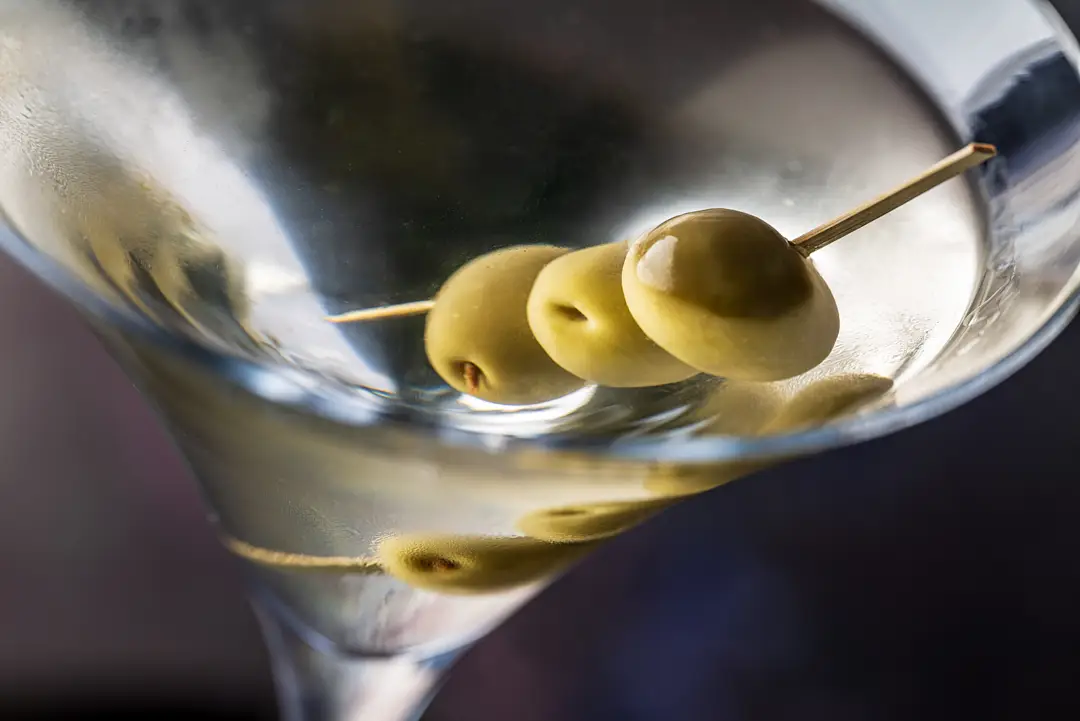
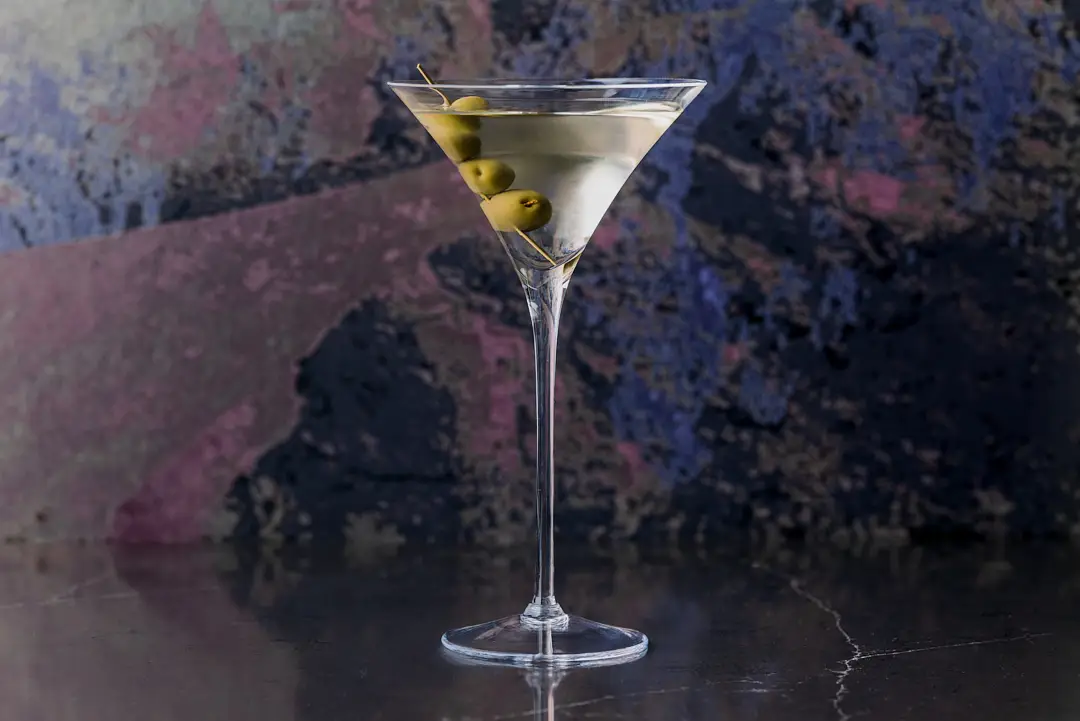
The Martini doesn’t rely on garnish, sweetness, or citrus. It’s built on proportion and temperature. When it’s made well, it’s cold, dry, and exact. When it’s not, it tastes off at the slightest temperature change.
There’s nothing to mask a mistake. The build is spirit and vermouth, stirred until it reaches the right level of dilution, then strained cold. A Martini that’s under-stirred feels warm and aggressive. One that’s over-stirred turns watery and thin. Even the garnish contributes to the drink’s intent. A lemon twist gives the drink lift. An olive adds weight. Neither is neutral.
The Martini demands restraint. A small change in the vermouth ratio can shift the entire profile. A few extra seconds of stirring can either tighten or collapse the drink. What matters is how each detail is handled. There’s no room to improvise without knowing exactly what you’re adjusting.
The Negroni
The Negroni doesn’t ease into anything. It opens with bitterness, holds steady through the middle, and finishes dry. There’s no softness, no lift, no fade. It’s a drink with a clear identity.
The build is as simple as it gets: one part gin, one part sweet vermouth, one part Campari. Equal parts, stirred, served cold. What makes it work is how evenly the ingredients push against each other. The gin adds sharpness, the vermouth brings weight, and the Campari carries the edge. Nothing wins, and nothing yields.
That structure is what makes it so easy to riff on. Swap gin for whiskey, and it becomes a Boulevardier. Use mezcal, and the bitterness smokes. If you adjust the ratio, the whole thing shifts, but the tension remains. The Negroni doesn’t need balance through subtlety. It gets there by force.
The Structure Behind the Classics
Each of these classics does something different. The Old Fashioned shows how restraint can shape a drink. The Daiquiri teaches tension and how easily balance can tip. The Martini demands precision. The Negroni proves that strength and symmetry can coexist without softening either.
What they share is a structure that holds under pressure. You can swap ingredients, adjust ratios, shift temperature or texture, and the frame stays intact. They weren’t made to be strict. They were made to work.
That’s what makes them worth studying. Not because they’re traditional, but because they’re reliable. Because they respond to change without falling apart. Because when you understand what each one is doing, you start to see what a good build really is.