Balance, Technique, and the Gestalt Effect
“Cocktail, then, is a stimulating liquor, composed of spirits of any kind, sugar, water, and bitters.” — The Balance and Columbian Repository, Hudson, New York, May 13, 1806
The first printed definition of a cocktail was plain: spirit, sugar, water, bitters. If you were mixing a drink in 1806, these were the parts you needed. Spirit for strength. Sugar for softness. Water for dilution. Bitters for bite. Balance wasn’t named, but with modern eyes it’s clearly in the build, the proportions, the way each part supports the others. Once the formula was understood, bartenders spent the next century refining it.
The Role of Ethanol and Why Spirits Burn
Ethanol, the core of any spirit, isn’t neutral. It’s sharp, volatile, and registers as pain before flavor. That comes from a receptor in the mouth called TRPV1—the same one triggered by heat, acid, and capsaicin, the compound behind chili pepper burn. (Those Scoville numbers on hot sauce bottles measure exactly that.) This is why neat spirits often feel more like heat than flavor. Dilution pulls that burn back. Sweetness softens it. Acid and bitters bring it into focus. Every adjustment manages ethanol and makes the drink land right.
Why Aged Spirits Don’t Need Mixing
Time in oak barrels softens the edges. Tannins, acids, and wood sugars pull the alcohol into line and build flavor. That’s why some whiskey drinkers hesitate to mix a well-aged pour: they see the barrel as having already done the balancing. Unaged spirits arrive sharp and clear. No cushion. No built-in balance. The shaping is left to the bartender.
Beyond Balance: What a Gestalt Cocktail Really Is
Balance lays the foundation. Depth comes from what follows: volume, texture, temperature, glassware, foam, aroma—all shaping how the drink lands. A chilled stem keeps it cold. Garnish cues the nose before the first sip. Foam lifts aroma or softens texture. None are extras. They’re components—and together, they make the drink feel whole. Nothing stands out. Nothing drags behind. That defines a gestalt cocktail. It doesn’t read like a list. It feels like a single idea—something that only exists as a whole. It holds: complete, distinct, unforgettable. Take the Mojito: you taste each part—mint, lime, rum. Bright. Direct. The Paper Plane is different. Four equal parts—bourbon, Aperol, Amaro Nonino, lemon—but none compete. They fold together. The drink doesn’t call out its parts. It speaks with one voice.
When Balance Isn’t the Goal
Not every great cocktail aims for symmetry. Some lean intentionally in one direction. A Negroni doesn’t hedge. It leans bitter and stays there. That’s its identity. Tiki drinks do the same, pushing sweetness and acid to the edge. They’re bright, saturated, built for impact. What they lose in balance, they gain in character. Bold. Specific. Sometimes polarizing. But when they land, they’re unforgettable.
Glassware and Garnish: More Than Decoration
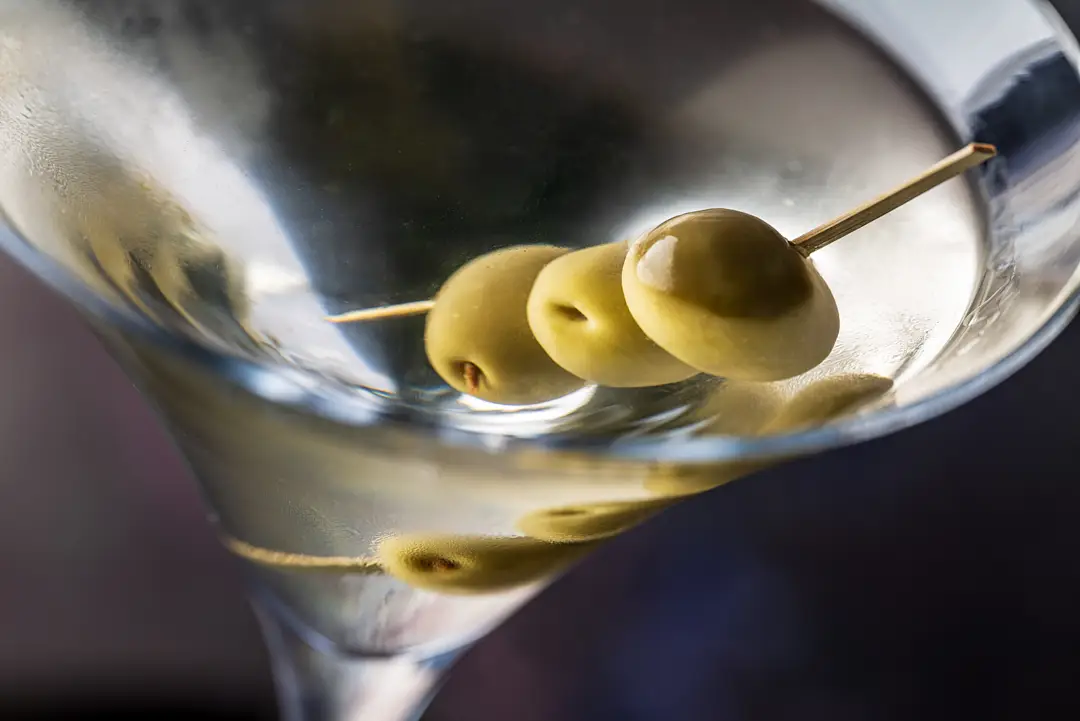
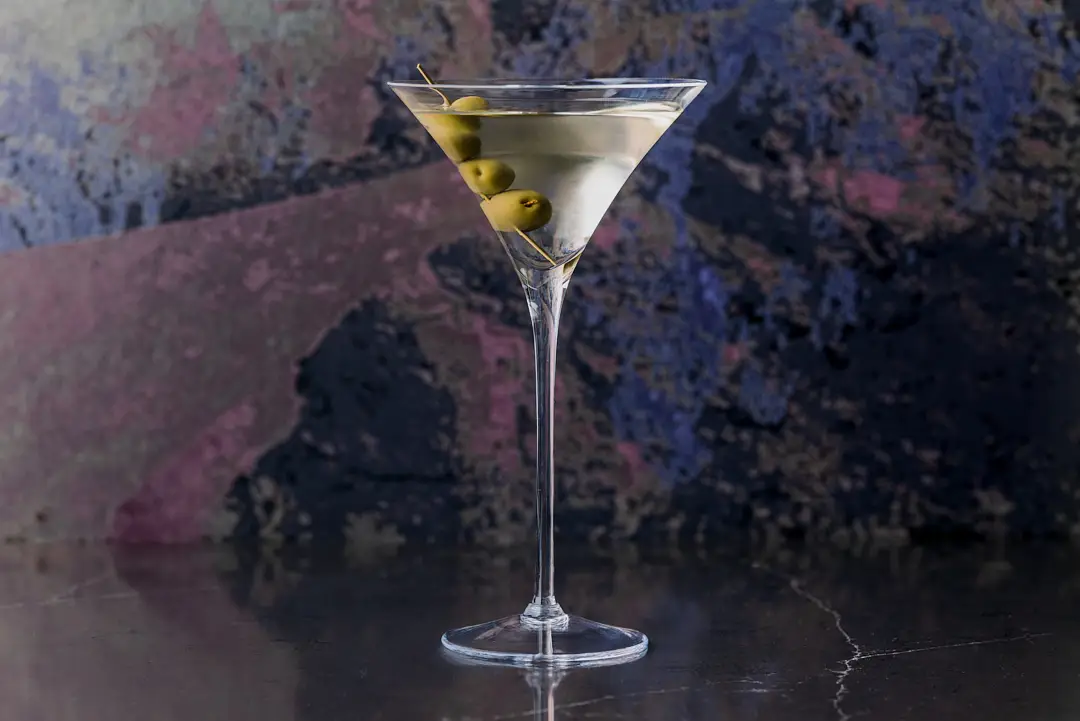
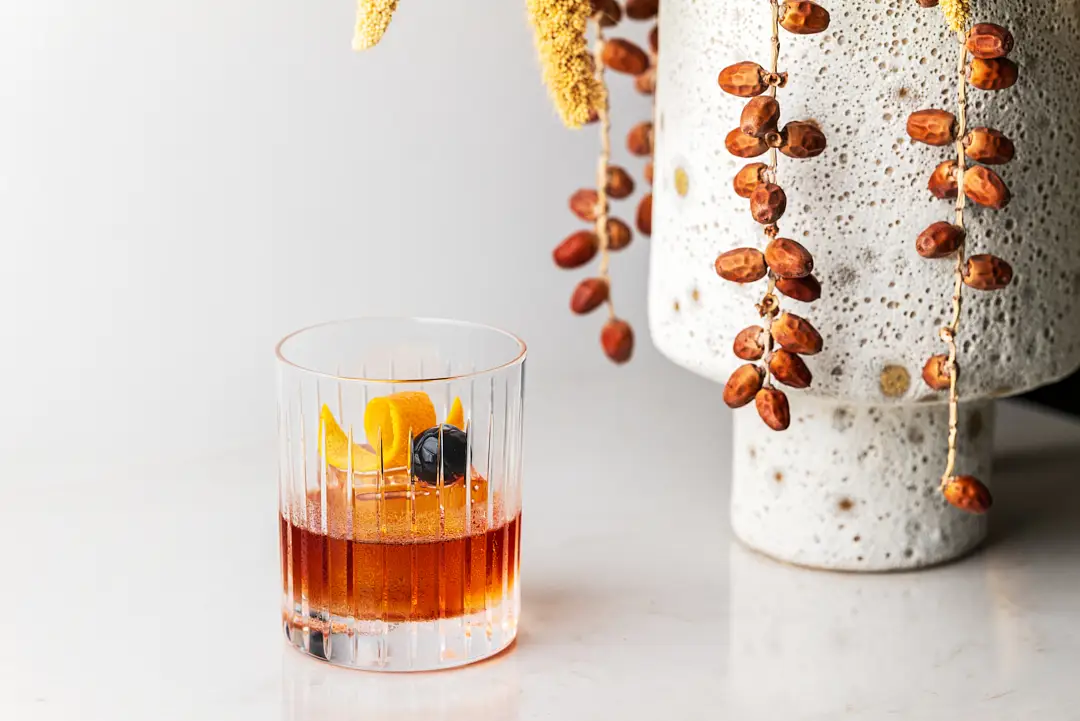
Glassware shapes more than presentation. It controls temperature, dilution, and how the drink feels in your hand. A coupe holds the chill and keeps your hand off the bowl. A rocks glass invites contact and slow melt. As ice softens, the drink shifts—opening, loosening, evolving sip by sip. These aren’t small details—they set the drink’s pace and mood. Garnish works the same way. It’s not just for looks. A mint sprig or citrus twist sends the first aromatic cue before the drink touches your lips. Some contrast. Others echo. Both work—if chosen with intent. A good garnish shapes both the look and the impression the drink leaves.
The Details That Take a Cocktail from Good to Great
Balance gets you started. After that, it’s all in the handling: the glass, the stir, the garnish, the ice. Whether soft or sharp, the drink has to hold. That’s the line between ordinary and memorable.