What’s Going On With Umami Cocktails?
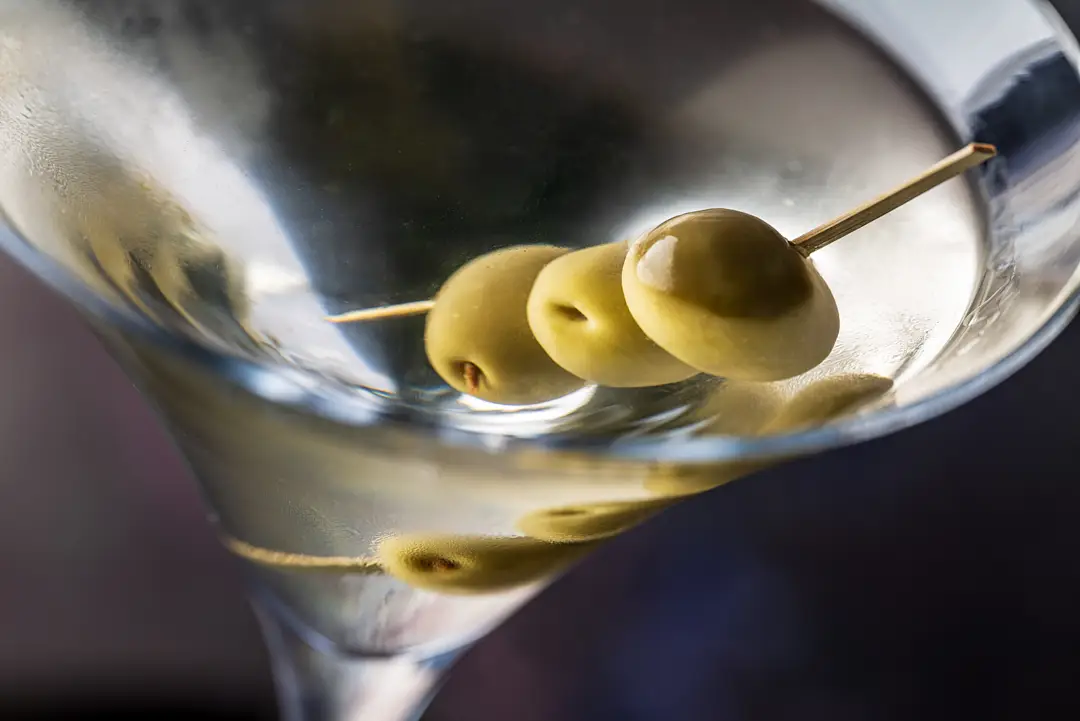
Over the past year, you’ve probably noticed savory cocktails making appearances and the word “umami” showing up more often on cocktail menus. We’re not just talking about an extra dash of olive brine or a Bloody Mary remix. Bartenders are now deliberately using savory, glutamate-rich ingredients, miso, tomato water, mushroom tinctures, to give drinks a different kind of depth. The question is, is this a real shift or just a gimmick?
How are people actually using umami right now?
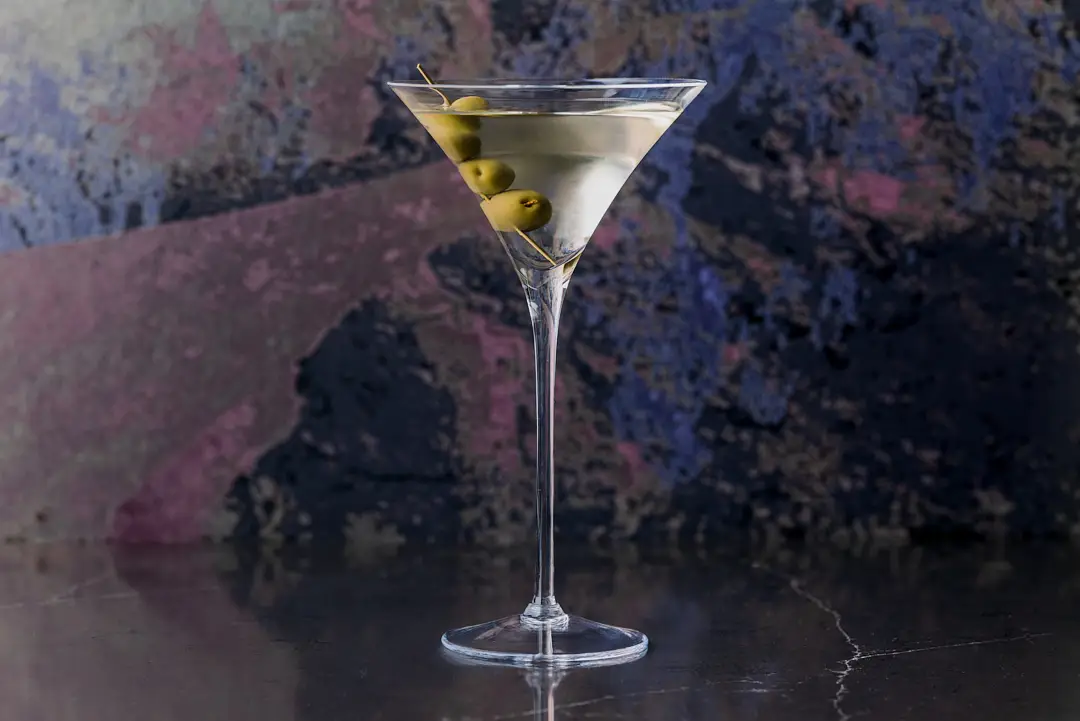
Pretty creatively. White miso is being blended into honey syrups for sours. Tomato water, clear and pulp-free, is sliding into Martinis and highballs. Mushroom tinctures made with shiitake or porcini are being dashed into whiskey and mezcal builds. Seaweed shows up in kombu or nori saline, adding seasoning without turning the whole drink oceanic. Some bartenders are even experimenting with cheese: Parmesan fat-washes or grated finishes over Espresso Martinis. The point isn’t to drown a cocktail in funk. It’s to season it the way a chef would season a sauce.
Where did this idea come from?
Globally, the roots are easy to trace. In Japan, dashi and soy have always been understood as building blocks of flavor. In Bangkok, bartenders are folding dried squid and nước chấm–style syrups into their menus. Latin American programs are leaning on ceviche brines and pulque-inspired Gibsons. And Nordic bars—many of them tied to naturalist restaurants—are layering mushroom tinctures and ferments straight from the kitchen pantry. In other words, this isn’t just a fad pulled out of nowhere. It’s a convergence of global food traditions reshaping the bar.
Is it actually catching on?
Yes, actually. Coverage has been steady across Forbes, InsideHook, The Times, Bon Appétit, and Eater. Squid-ink gin sales are climbing in the UK. Parmesan Martinis trended on TikTok earlier this year. High-profile programs at the Connaught in London, Bangkok’s most inventive bars, and Los Angeles’s Mírate are all showcasing umami-forward builds. That kind of coverage and bar adoption suggests we’re looking at a trend with staying power, not just a seasonal stunt.
Can you successfully execute this at home?
Definitely. A couple drops of soy or tamari in a stirred drink. Half a teaspoon of miso honey syrup in a sour. An ounce or so of tomato water in a Martini riff. A few dashes of mushroom tincture in a rum or whiskey build. Even a simple saline solution steeped with kombu.
What’s the catch?
Restraint. Umami piles up fast, and too much turns murky. The best cocktails use it the way kitchens use seasoning—just enough to make the other flavors work harder. Acid from citrus or fino sherry keeps things bright. Honey or miso syrup smooths edges. Bitterness from amaro or cocktail bitters gives structure. Salinity ties everything together, but stack soy, brine, and saline all at once and you’ve overdone it.
So, where does that leave us?
Umami cocktails were the natural evolution of cocktails. They’ve become a legitimate part of how bartenders mix drinks. The shift isn’t about shock value or Instagram garnish (though Parmesan snow over an Espresso Martini will still get attention.) It’s about using savory elements with the same precision we already apply to sugar, acid, and bitters. That’s what makes the drinks feel complete.